Your Cart is Empty



$70.00
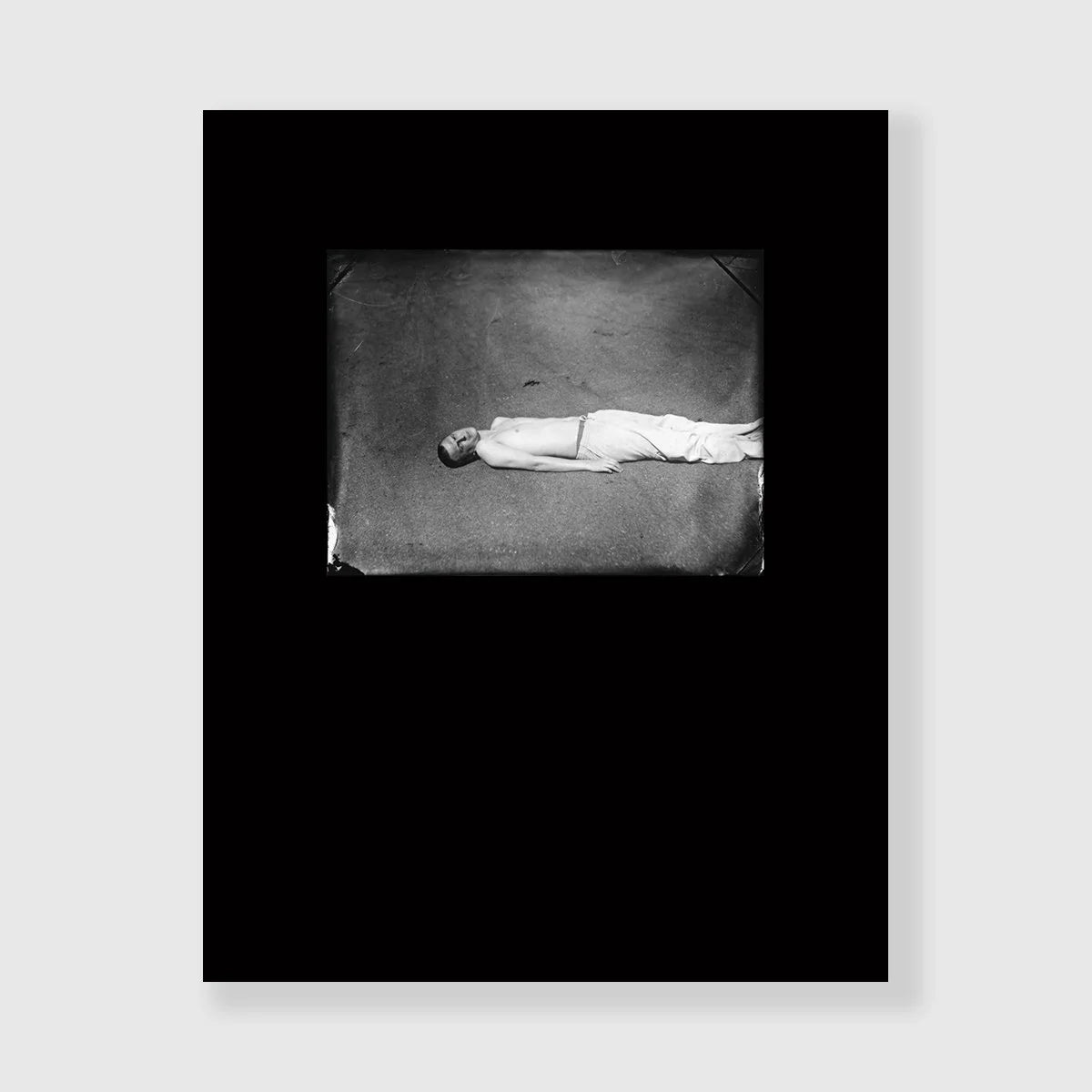
Lee Jung-jin is a representative Korean female photographer who embroiders the vast nature of nature on hanji paper like an ink wash painting. As she built a global reputation, she broke away from the objective stance of documentary photography, which prioritizes realism and record-keeping, and dedicated herself to building a subjective photographic world as a visual medium and a form of plastic art. Her photo collection, "SIMMANI," is a masterpiece that contains rare documentary work created during her time as a photojournalist for the magazine "Deep-Rooted Tree." It mainly features Lee Jung-jin's early documentary photographs, which captured an elderly couple she encountered by chance on Ulleungdo Island some 35 years ago.
This series, documented over a year of photographing Ulleungdo Island from 1987, was organized in the form of a photo essay and published in 1998 alongside an exhibition under the title "A House on a Faraway Island." Thirty-three years later, Lee Jeong-jin reorganized these photographs, which fully captured their evocative power and documentary value. In the process, the series' original title, "A House on a Faraway Island," was reimagined as "Simmani," focusing on the life of an elderly man named "Chae," who entered Ulleungdo to dig for ginseng.
In her photo collection, "SIMMANI," editor-in-chief Kim Jeong-eun of Ian Books urges readers to consider the author's diary-like, calmly documenting the life of an elderly couple, transcending "the author's conceptual perspective that perceives the whole through a fragment of nature." The lives and spiritual world of the elderly couple, who cultivate Ulleungdo's barren land and live as simmanis, as seen through the eyes of a young female photographer, are unfamiliar and mysterious, yet at the same time, they also clearly reveal a skepticism about the very nature of photography. In a place where heavy snowfall and rough seas often block the sea route to the mainland, the photographs and text, alongside the two elderly people enduring the long winter, sometimes working together to trim deodeok (Korean radish root), mysteriously conjure up the unfamiliar landscape of Ulleungdo amidst this harsh landscape. Above all, it seems as if Lee Jeong-jin already understood that the true meaning of a documentary stems from the weight of time, accumulated in the layers of photographs.
“ After looking at the photo for a while, the old man suddenly noticed that there were freckles on his face, and the old woman, seeing that her face had aged and changed so much, refused to be photographed (…) When I can see myself reflected in the mirror that reflects the two old men , I think I will be able to capture the true meaning of a documentary in the photos .”