Your Cart is Empty



$60.00
‘ Lonely Are All the Bridges’ is not a war book. Not exactly. It is a portrait of a place and its people—where systems have collapsed, where borders have been redrawn again and again.’ – Robin Hinsch
The images in Lonely Are All the Bridges were made in Ukraine by Robin Hinsch over a period of more than a decade. The photographer first visited Ukraine in 2010, intrigued by the description of the then President Viktor Yanukovych as ‘the new dictator between East and West’. His sustained interest in this complex country compelled him to return many times to photograph both the landscape and the people he encountered. His images are unlike pictures of Ukraine seen in the news, presenting instead a melancholic vision of country caught between a contested past, a brutal present and an uncertain future.
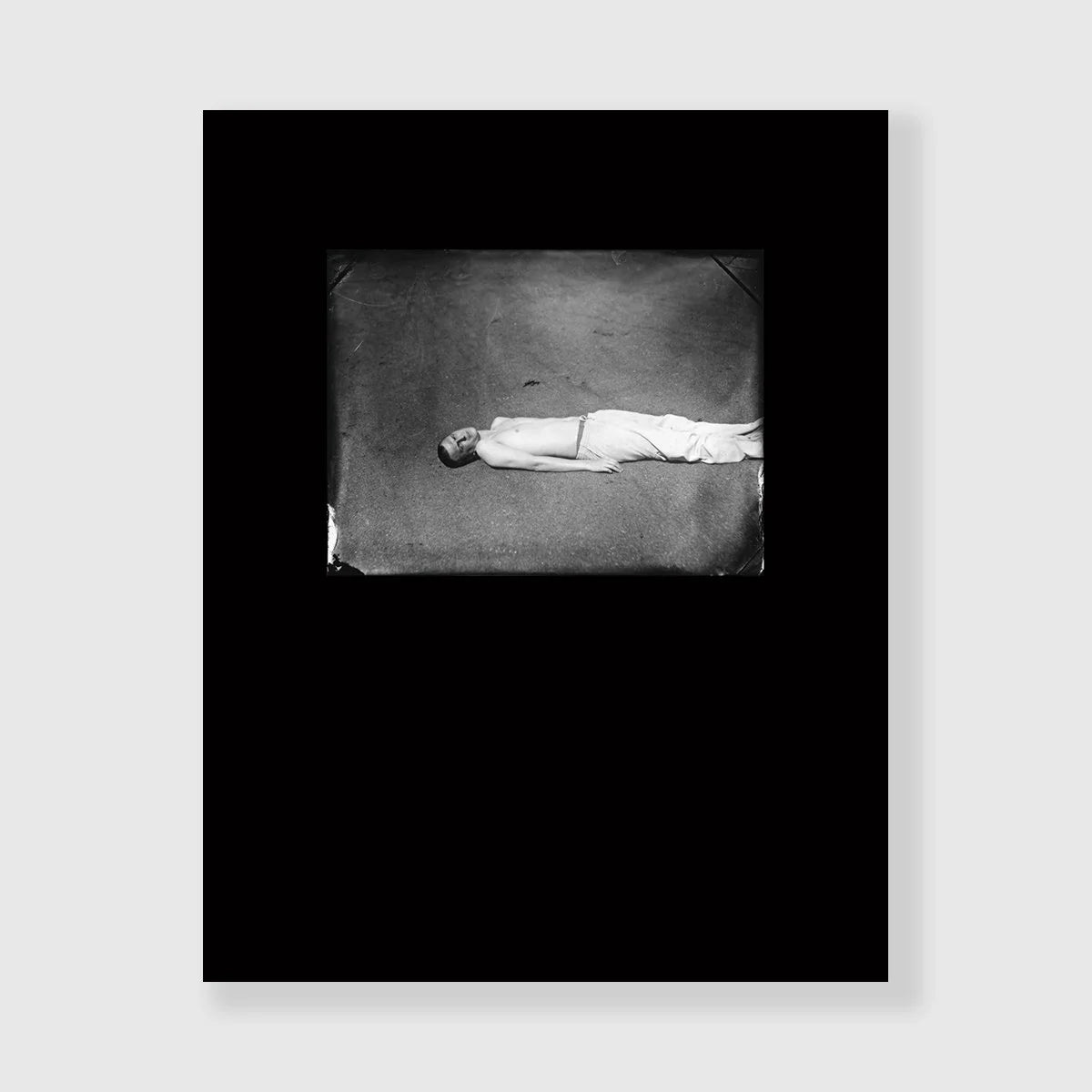
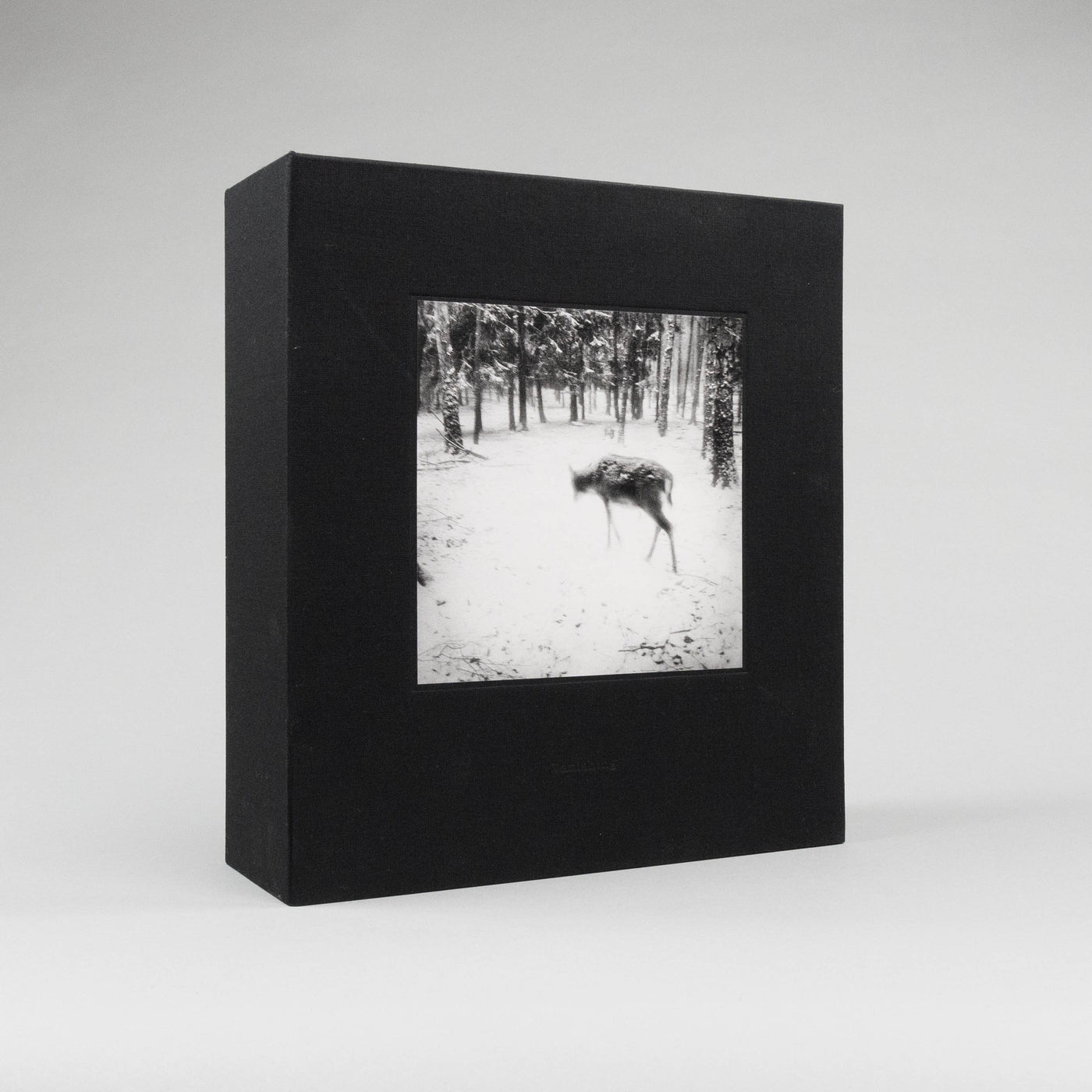
The photographs show Soviet ruins and historical monuments alongside misty, rain-soaked or snowy landscapes. The people in the pictures are carefully positioned within these environments—workplaces, homes, fields, ruins and battlefields. The images are both monochrome and colour, the latter subdued by a grey sky. This stylistic choice, in tandem with the presentation of the photographs in the book without captions alongside, hints that they are from a different yet indistinct era, and untethered from time.
Animals appear as a motif throughout the book—symbolising desertion and abandonment but also lending the book an allegorical and dreamlike quality. The bear, a symbol associated with Russia, is shown in an animal pacing around a zoo enclosure and also as a child in costume. Feral cats, dogs and wild horses slip in and out of the landscape and children are shown with dogs, horses and an incongruous camel. The bridge is another recurring motif linking back to the book’s title, drawn from a poem by Austrian Ingeborg Bachmann. This reflects on the nature of a bridge, a connection which is both tied to different sides and yet inherently isolated.
In his notes at the end of the book, Hinsch references Andrei Tarkovsky’s film Mirrorwhich employs a fragmented narrative, dissolving linear storytelling, allowing various motifs such as memories, dreams, and experiences from different times to coexist. This approach is echoed in his image-making.